Next Project
Parramatta Square Masterplan Completed
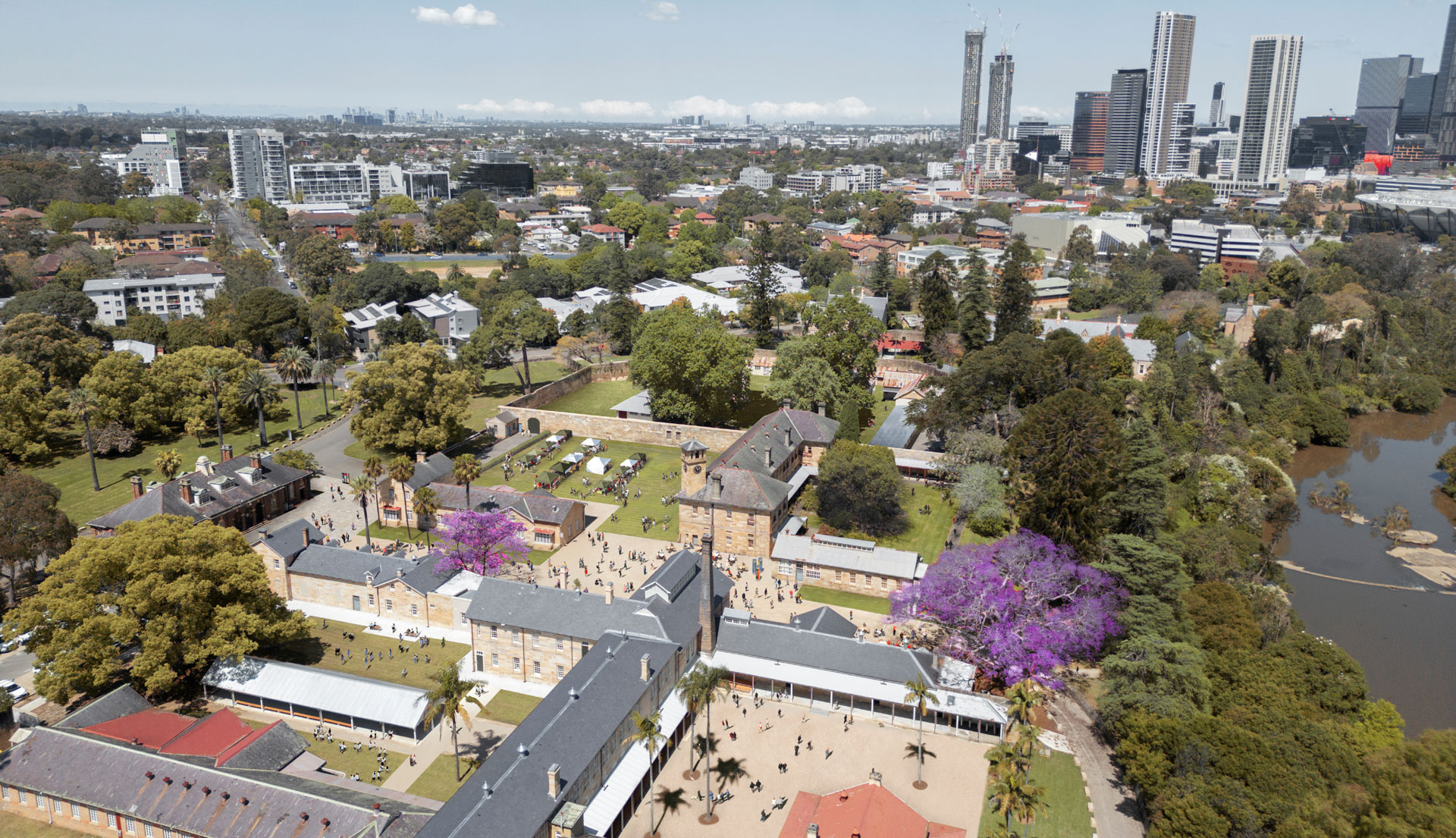
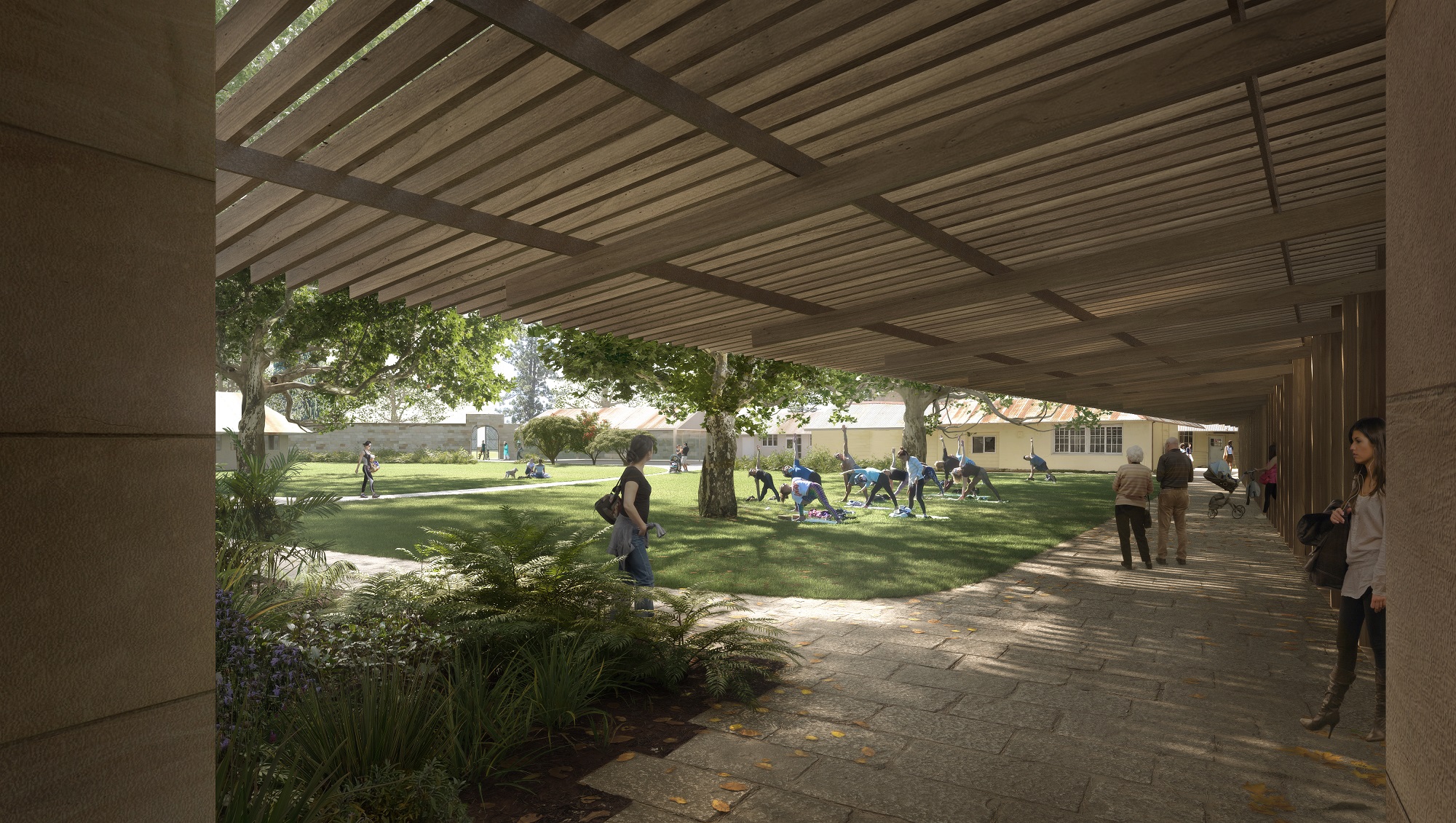
JPW was engaged by Museums of History NSW to develop a Concept Masterplan and business case for the future transformation of the National Heritage-listed Parramatta Female Factory and Institutions Precinct into a major new museum and cultural destination for Western Sydney. The project involved the strategic planning of a complex multi-building, multi-history and multi-tenanted heritage precinct containing layers of Indigenous, colonial, institutional and community histories.
Trish Macdonald
Principal Project Manager, MHNSW
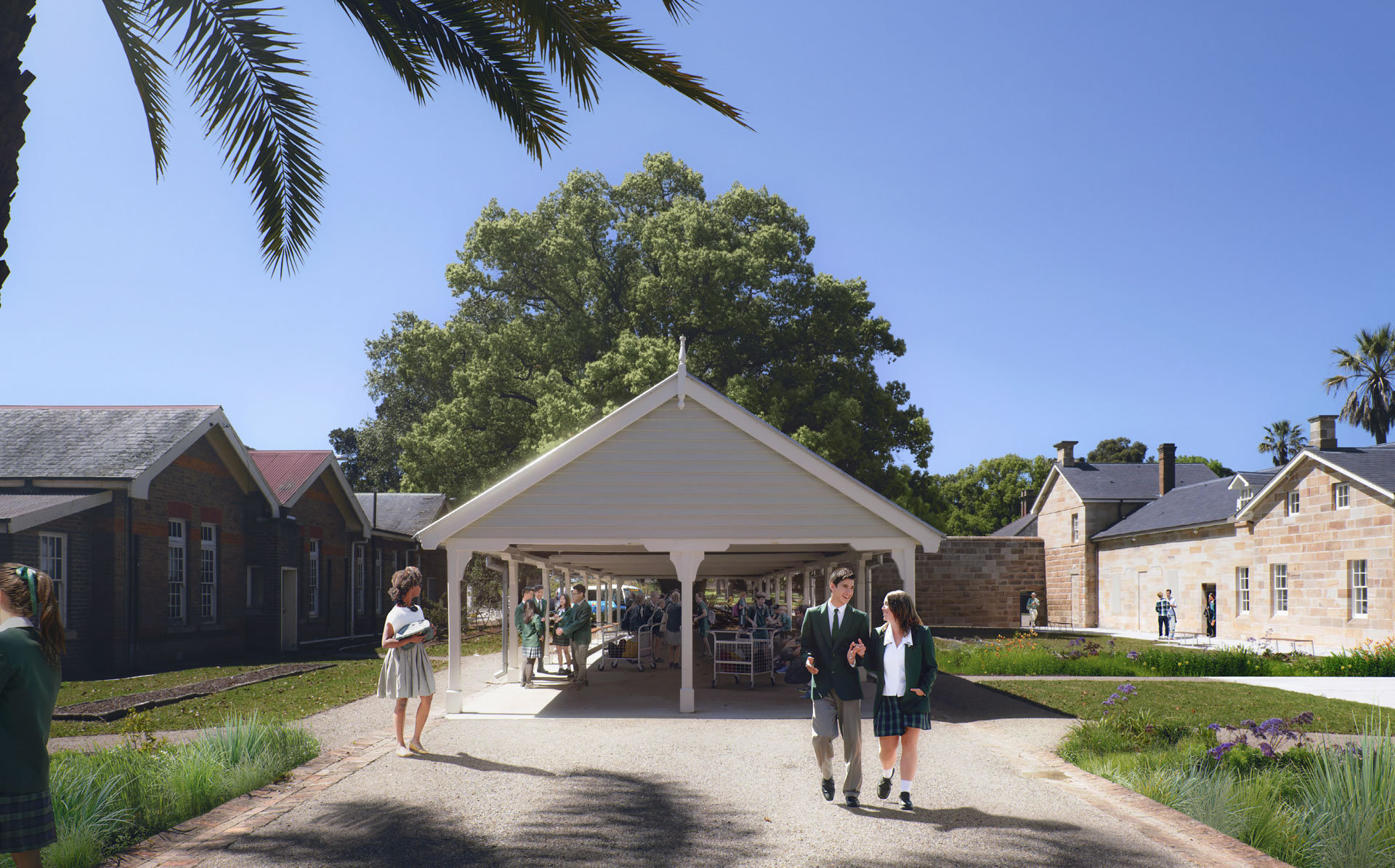
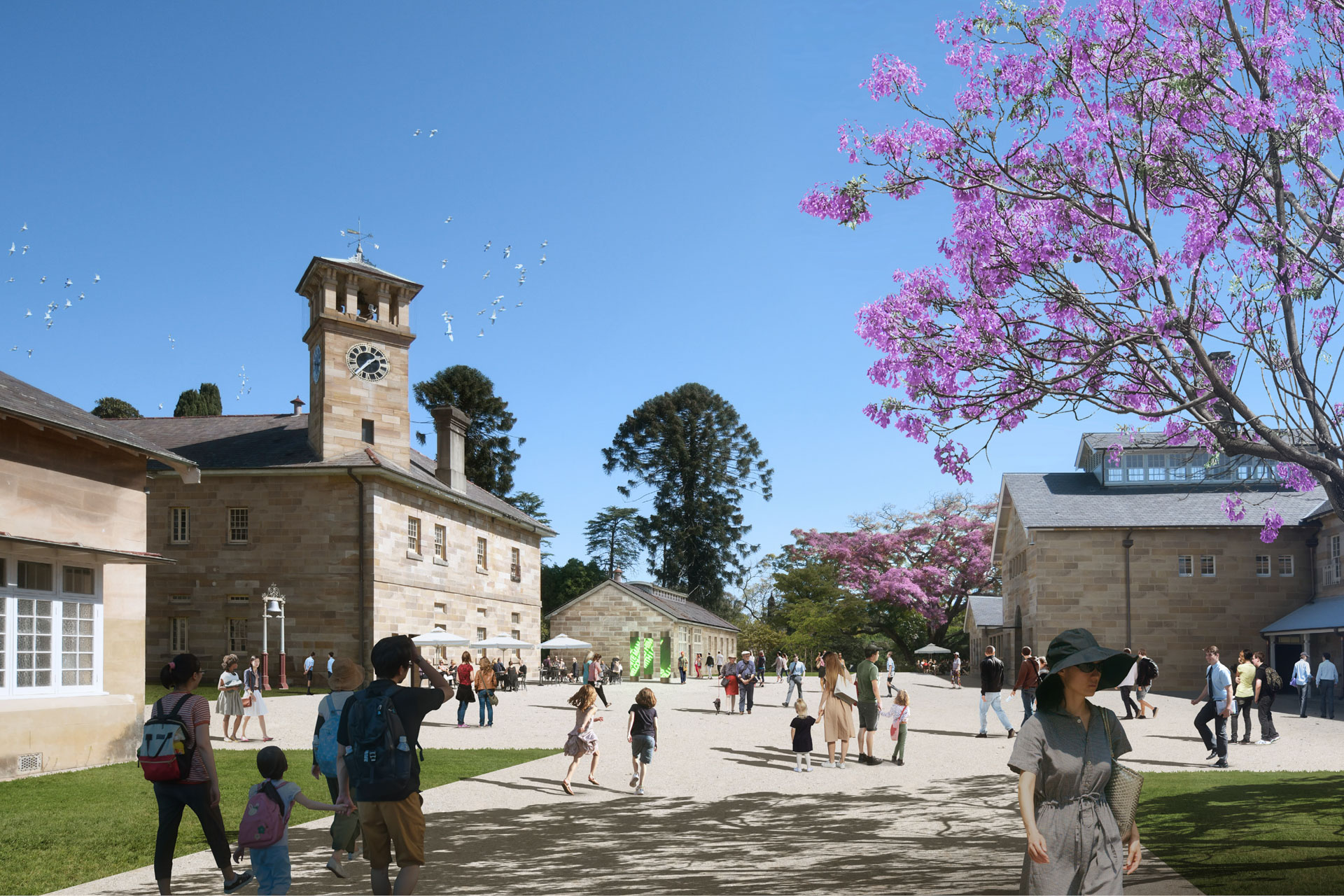
The masterplanning process explored multiple operational, management and adaptive reuse scenarios, combining existing heritage buildings, landscape settings and visitor experiences within a cohesive cultural framework. Through extensive stakeholder engagement, precedent analysis and option testing, JPW worked closely with MHNSW to establish a highly adaptable and sustainable vision that balanced heritage conservation, interpretation, visitor experience, operational requirements and long-term viability.
A key objective was the integration of education, exhibition and community facilities within existing heritage structures while creating an immersive museum experience that embraces both tangible and intangible heritage values. The project required consideration of heritage conservation, urban design, circulation, collections management, accessibility, cost planning and future staging strategies.